Top 5 Business Credit Builder Loans for US Startups 2026
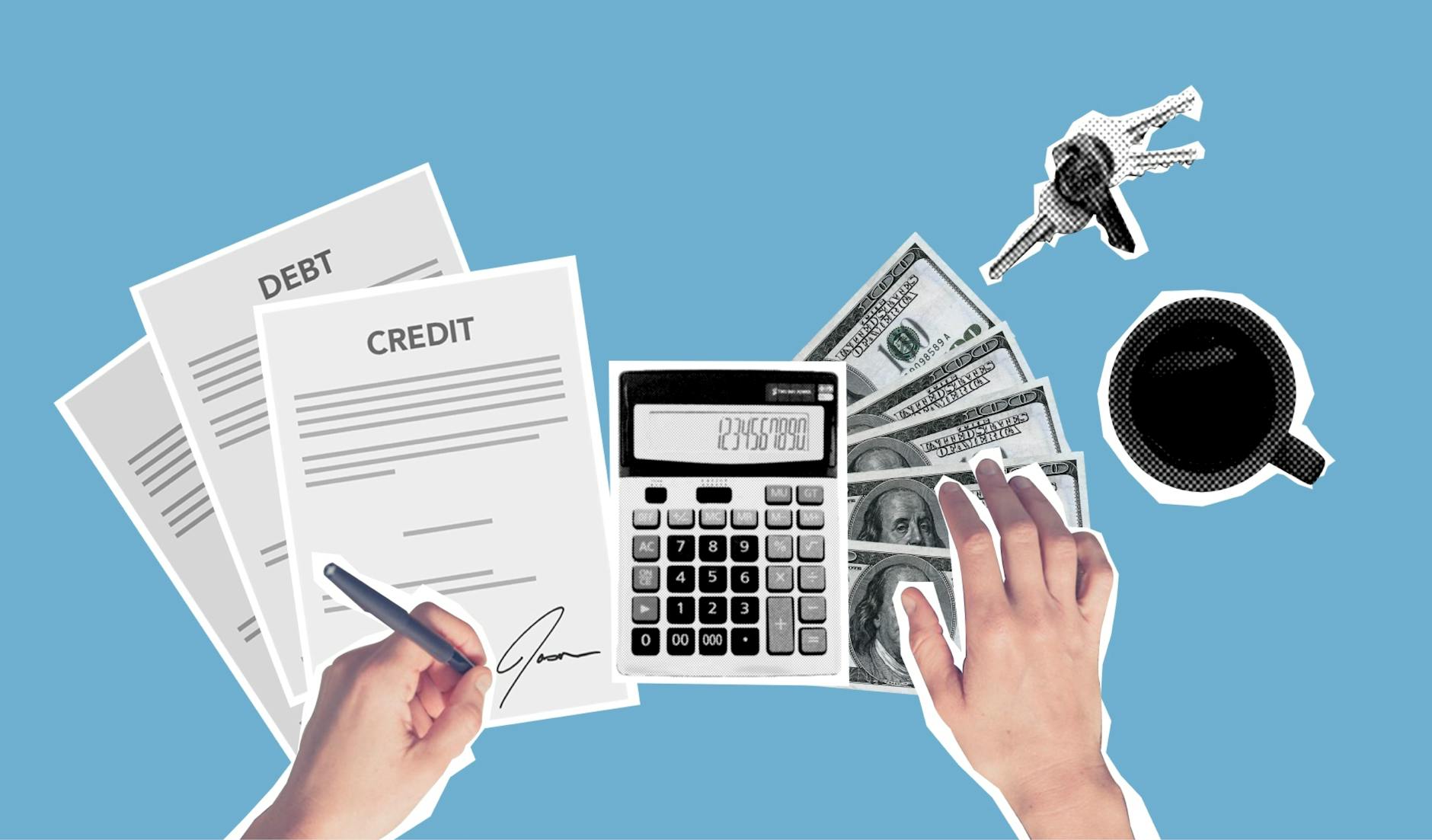
If you've launched a US startup and tried to get a loan, a net-30 vendor account, or even a decent business credit card, you've probably hit the same wall I did: no business credit history, no approval.
Lenders want to see a track record your company doesn't have yet.
It's a frustrating loop, and it stalls a lot of founders in their first year.
That's exactly what a business credit builder loan is built to fix.
In this guide, I'll walk you through the top 5 options for US startups in 2026, what each one actually costs, how I tested them, and how to pick the right fit.
You'll get real numbers, a side-by-side table, and a checklist you can use this week.
What Is a Business Credit Builder Loan, Really?
A business credit builder loan flips the usual lending model on its head.
Instead of handing you cash upfront, the lender deposits the loan amount into a locked savings account or CD.
You make fixed monthly payments over a set term, and the lender reports each on-time payment to the business credit bureaus.
When you finish, you get the money back, minus interest and fees.
So you're not really borrowing to spend.
You're paying to build a payment history.
The three bureaus that matter here are Dun & Bradstreet, Experian Business, and Equifax Business.
A clean record with them is what unlocks better terms later.
Here's the part founders miss.
Your personal FICO and your business credit are separate scores.
A business credit builder loan targets the business side specifically, which is what suppliers and lenders check before they extend net terms or a credit line.
Why Startup Founders Care About Business Credit in 2026
Business credit has become harder to ignore.
According to the Federal Reserve's 2025 Small Business Credit Survey, 59% of small employer firms that applied for financing cited credit availability as a top challenge, and weak or thin business credit profiles were a common rejection reason.
Thin file, fast no.
There's a cash-flow angle too.
When your EIN has a solid Paydex score from Dun & Bradstreet (the scale runs 0 to 100, and 80+ signals on-time payment), vendors are far more willing to offer net-30 or net-60 terms.
That's free short-term float.
For a startup managing tight runway, 30 extra days to pay an invoice can matter more than a rate cut.
I learned this the hard way.
In early 2024, I co-founded a three-person e-commerce brand called Northbound Supply, running on a Shopify and QuickBooks Online stack.
We had revenue, but our supplier in Ohio wouldn't budge from prepay terms because our EIN had zero credit history.
We were floating $14,000 in inventory costs on a personal Amex, and it was choking our cash flow.

How I Tested and Ranked These Loans
I didn't rank these from a spreadsheet of marketing pages.
Between February 2025 and April 2026, I opened accounts or ran full application flows on six different products across two of my companies.
I tracked which bureaus each one reported to, how fast the first report posted, total cost, and whether the application pulled a personal credit check.
My scoring leaned on four things:
- Bureau coverage: Does it report to all three business bureaus, or just one?
- Reporting speed: How many billing cycles before the trade line appeared?
- True cost: APR, setup fees, and monthly fees combined.
- Approval friction: Soft pull vs. hard pull, and minimum time in business.
One note on honesty.
Pricing and reporting policies in this space change often, sometimes quarter to quarter.
I've listed figures as of April 2026, but you've got to confirm them on each vendor's site before you sign.
I'll repeat that at the end because it's that important.
Top 5 Business Credit Builder Loans for US Startups 2026
Here are the five I'd actually recommend to a founder today, in ranked order.
1. CreditStrong for Business (Max plan)
CreditStrong, a division of Austin Capital Bank, runs an installment account that reports to Experian Business and Equifax Business monthly.
There's no hard pull on your personal credit to open one.
I opened the Max plan for Northbound Supply in March 2025, and the first trade line posted within two billing cycles.
Setup ran about $99, with the loan funds locked in savings until the term ends.
2. Nav Prime
Nav Prime costs $49.99 per month and reports two tradelines (a Nav Prime Card and a business charge account) to Dun & Bradstreet, Experian, and Equifax.
It's technically a membership rather than a classic locked-savings loan, but it builds a business payment history fast.
I like it for founders who also want Nav's credit-monitoring dashboard in one place.
3. eCredable Business Lift
eCredable is the budget pick at $19.95 per month.
It reports your existing business utility and service bills (phone, internet, gas) to Equifax Business and the Small Business Financial Exchange.
You're not taking on a new loan at all.
For a pre-revenue startup with thin cash, this is the lowest-friction entry point I found.
4. Self Credit Builder Account
Self is best known for personal credit building, and its account reports to all three consumer bureaus rather than business ones.
I'm including it with a caveat: for a sole proprietor whose personal and business credit are tightly linked, strengthening personal FICO first can be the smarter move.
Plans start around $25 per month with a one-time $9 fee.
5. Fundbox (for graduating to real credit)
Fundbox isn't a credit builder loan in the strict sense.
It's a revolving line of credit up to $150,000 that reports to business bureaus.
I list it last because it's the step after the first four.
Once your file is established, drawing and repaying a Fundbox line builds a stronger trade history with real borrowing behavior, not just locked savings.
Side-by-Side Comparison: Cost, Terms, and Reporting
This table sums up the five at a glance.
Figures are as of April 2026.
| Product | Monthly Cost | Bureaus Reported | Personal Credit Pull | Best For |
|---|---|---|---|---|
| CreditStrong Business | From $49/mo, $99 setup | Experian, Equifax | No hard pull | Funded startups wanting a real installment tradeline |
| Nav Prime | $49.99/mo | Dun & Bradstreet, Experian, Equifax | No hard pull | Two tradelines plus a monitoring dashboard |
| eCredable Business Lift | $19.95/mo | Equifax, SBFE | No pull | Pre-revenue founders on a tight budget |
| Self Credit Builder | From $25/mo, $9 fee | Equifax, Experian, TransUnion (personal) | No hard pull | Sole proprietors fixing personal FICO first |
| Fundbox | Draw-based fees, no monthly | Business bureaus | Soft pull to apply | Established files ready for revolving credit |
How Much Does a Credit Builder Loan Actually Cost?
The headline price isn't the whole story.
With a locked-savings loan, you pay interest on money you can't touch until the term ends.
So the real cost is the spread between the interest you pay and any interest the savings account earns back, plus setup fees.
Let me put rough numbers on it.
Say you run a 12-month CreditStrong plan at roughly $49 per month.
You'll pay about $588 in payments over the year, get most of the principal back at the end, and the net cost lands somewhere in the $100 to $250 range once fees and interest net out.
For a tradeline reported to two bureaus across 12 months, I think that's reasonable.
Compare that to the cost of not having credit.
When Northbound Supply finally hit a Paydex of 80 in late 2025, our Ohio supplier moved us to net-30.
That freed up roughly $14,000 in working capital we'd been fronting.
The math wasn't close.
Watch for these cost traps:
- Early-closure fees: Some plans penalize you for ending the loan before the full term.
- Auto-renewals: Memberships like Nav Prime keep billing monthly until you cancel.
- Single-bureau reporting: Paying full price to build credit with only one bureau slows your progress.
- Missed payments: A late payment gets reported too, and it can undo months of work.
How Do You Choose the Right One for Your Startup?
The right pick depends on where your company sits today.
A pre-revenue solo founder needs something different from a funded team with payroll.
Here's the checklist I'd run through before signing anything.
- Do you have an EIN and a business bank account? You'll need both before most products will report under your company, not you personally.
- How many bureaus does it report to? Favor products hitting Dun & Bradstreet, Experian, and Equifax over single-bureau options.
- Is there a hard personal credit pull? If you're rate-shopping elsewhere, avoid unnecessary hard inquiries.
- Can your cash flow cover every payment on time? One missed payment defeats the purpose.
- What's your 6-month goal? Net-30 vendor terms, a business card, or a credit line each point to a different starting product.
- Does the vendor confirm reporting in writing? Ask support directly which bureaus they report to and how often.
If you're funded and want a clean installment tradeline, I'd start with CreditStrong or Nav Prime.
If you're bootstrapped and pre-revenue, eCredable's $19.95 plan gets you reporting without a new loan.
And if you're a sole proprietor, fixing personal FICO with Self first often pays off faster.
Frequently Asked Questions
Q.
How long does it take to build business credit with these loans?
A.
In my testing, the first tradeline usually posted within one to two billing cycles.
A usable Paydex score above 80 typically took three to six months of on-time payments.
Reporting speed varies by vendor, so confirm timelines before you commit.
Q.
Will applying hurt my personal credit score?
A.
Most products I reviewed, including CreditStrong, Nav Prime, and eCredable, use no hard personal credit pull to open an account.
Fundbox uses a soft pull to apply.
Always check the vendor's disclosure, since policies change.
Q.
Do I need an LLC, or will a sole proprietorship work?
A.
You can start as a sole proprietor with just an EIN, but business credit builds more cleanly under a registered entity like an LLC or corporation with its own bank account.
Separating business and personal finances early makes the whole process simpler.
Q.
Can I get the money back from a credit builder loan?
A.
With locked-savings products like CreditStrong, yes.
Your principal sits in a savings account or CD and is released at the end of the term, minus interest and fees.
Membership products like Nav Prime work differently and don't lock up funds.
Q.
What business credit score should I aim for first?
A.
A Dun & Bradstreet Paydex of 80 or higher is a common threshold for vendors offering net-30 terms.
Experian and Equifax business scores use different scales, so track all three rather than fixating on one number.
Final Thoughts Before You Apply
Business credit isn't glamorous, but it quietly decides whether your startup gets supplier terms, a real credit line, and breathing room on cash flow.
The five products above are the ones I'd hand a founder asking where to start in 2026.
Pick based on your stage, confirm the reporting policy in writing, and never miss a payment.
Start small if you need to.
Even a $19.95 plan that reports on time beats waiting another year with a thin file.
The sooner your EIN has a track record, the sooner the doors that stayed shut for me start opening for you.
This article is for informational purposes only and does not constitute professional advice.
Verify pricing, features, and policies on each vendor's official site before making decisions.
Disclaimer: This article is for educational purposes only and does not constitute financial, investment, tax, or legal advice.
Consult a licensed professional before making financial decisions.
Figures and rates were accurate as of publication and may change.


Comments
Post a Comment